Apple’s iPhone Subscription Plan
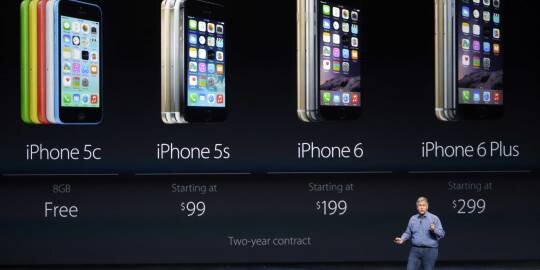
“The only thing that’s changed is everything.”
That was Apple’s latest platitude of a tagline for the just-announced iPhone 6s and 6s Plus last week. Though we are not sure how Tim Cook can say such banalities with a straight face, it may be because he was referring to the new iPhone Upgrade Program, which marks the beginning of hardware as a service, at least as it pertains to hardware that can fit in our pockets.
Software as a Service kicked off this whole trend, mostly for business applications. The “as-a-service” basically means you pay a subscription fee instead of a single, up-front cost. In gaming, the equivalent would be MMOs like World of Warcraft. And now this same subscription model is coming to our cell phones.
Here’s how Apple is hoping it will work:
1. Get a new, unlocked iPhone every year. Choose your favorite carrier.
2. AppleCare included. Hurray!
3. Pay between $32 and $44 a month, depending on model and memory.
4. Get a new iPhone every year. Always have the latest model in hand.
It’s an interesting deal. If you upgrade every year, this may be right for you. It does add up to a chunk of disposable income. The question is if you even want a new phone every year. The average consumer would prefer a great product that lasts for a long, long time. You don’t see people upgrading their televisions every single year — it’s a ludicrous idea. But Apple thinks people will upgrade their phones, and the numbers right now say Apple is right.
And don’t forget the carriers are already providing their own iPhone loyalty programs, including Sprint’s iPhone Forever and T-Mobile’s recently-announced JUMP! deal.
What does this mean for mobile apps? Perhaps more than ever, app developers are going to have to be on top of every new operating system update, and make sure all customer interactions are easily ported to a new device. This is really nothing new — app developers have been doing this since the first app stores opened their virtual doors. But now more than ever, every single app has to be built for today and future-proofed for tomorrow.
If you still have questions, contact Appstem today.
