How to Build Better Products through User Feedback
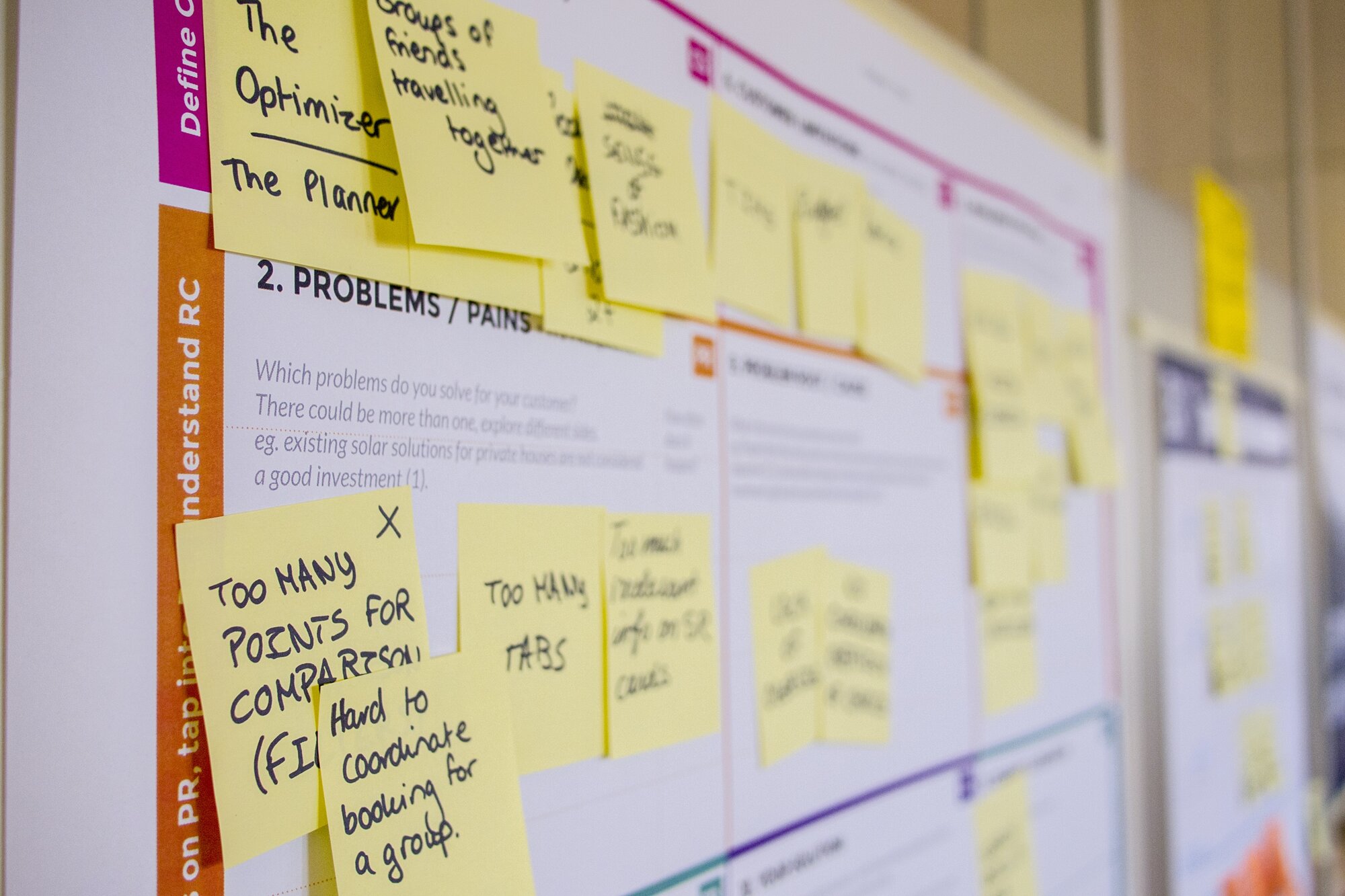
Are you looking to build products that people will love? If so, you need to learn how to gather user feedback effectively. By incorporating feedback into your product development process, you can ensure that your products are of the highest quality and meet the needs of your users.
There are a number of ways to gather user feedback, and the method you choose will depend on your project and your team. When you collect feedback, remember to be authentic and honest about what you're asking and why—users will trust you and respond better if they feel you are honest and have a genuine reason.
To begin getting feedback for your product, first, get answers to the following questions:
- What type of user feedback should I gather?
- How can I improve my customer service through effective communication?
- How do I implement a process that solicits useful feedback from users?
The Types Of User Feedback You Should Gather
There are three basic types of user feedback that will help guide the direction of your product:
- Feature requests
- Bug reports
- General impressions (positive or negative)
By incorporating each type in your feedback campaign, you'll create a more complete picture of how well your products meet the needs of your users.
Feature Requests
Feature requests are usually suggestions for new features or changes to existing features. They can come from individual users, groups of users, or even your team.
When you receive a feature request, it's important to ask yourself:
- Does this feature align with our product vision?
- Do we have the resources (human and financial) to build this feature?
- Can we realistically meet the expectations of our users with this feature?
If the answer to any of these questions is no, then you should either reject the request or put it on the back burner until you can answer yes to all of them.
Rejecting a feature request isn't always easy, but it's important to remember that your users trust you to deliver a product that meets their needs.
Even if a feature request isn't feasible, it's good practice to thank the user for their suggestion and explain why you can't grant this particular request. But if you are able to build it for the users, then there’s nothing like it.
Bug Reports
Bug reports are issues or errors with your current product, as well as suggestions for how these issues might be fixed. Bug reports come from all areas of your user base — internal teams, individual users, and groups of users.
When you receive a bug report, there are several actions you should take:
- Verify the bug and confirm whether or not it's an issue with your product or service.
- Discover where in the process the error occurred (this will help you fix the problem in the future).
- Thank the user for reporting this issue.
Collect bug reports but don't prioritize them immediately — wait until you have several reports of an issue before putting together a team to research and fix it. This reduces wasted time by ensuring that only one person is working on any given bug.
But bug reporting is a great way to fix your product and enhance the user experience.
General Impressions
User feedback isn't always about specific features or issues within your product or service — sometimes all you need are general impressions to understand how well your product meets the needs of your users.
Collecting general impressions from your users is just as important as receiving bug reports or feature requests. You can collect these using tools like SurveyMonkey, Google Forms, and even Twitter DMs.
How to Incorporate User Feedback into Your Product
Now that you know about different types of feedback and how to gather it could help you, let's learn how to incorporate it into your product.
There are a few different ways you can do this:
- Design sprints
- User feedback loops
- A/B testing
Each of these methods has its own strengths and weaknesses. It's important to choose the one that will work best for your team and your product.
Design Sprints
Design sprints is a process championed by Google Ventures that helps you quickly test new ideas with your users. They involve bringing together a team of people (designers, engineers, stakeholders, etc.) to come up with a new feature or redesign, then testing it with users to see if it meets their needs.
If the design sprint is successful, the team will then have a better understanding of how to proceed with the feature. That will help them have a product that works well with their users.
User Feedback Loops
User feedback loops is a process where you constantly collect and incorporate user feedback into your product. This can be done in a number of ways, such as through surveys and interviews.
The benefits of using user feedback loops are:
- You can constantly improve your product based on user feedback.
- You don't need to wait until you have a lot of data to make changes.
- It's a low-cost way to get feedback from your users.
The disadvantages are:
- It can be difficult to track so many changes you make based on user feedback. This means you need to be diligent in recording how each change affects your product.
A/B Testing
A/B testing (also known as split testing) is a process where you compare two versions of your product to see which one performs better. It is a great way to measure how well a new feature or redesign meets the needs of your users, but it can be time-consuming and expensive.
You do this by sending half of your users to version A and the other half to version B and measuring the results. A/B testing It's best suited for when you want to compare two versions of the same feature to see which one performs better.
So, what should you do? Which feedback process is right for your team and product?
Simply put, the best solution is usually the one that gives the most comprehensive insight into how well your new feature or redesign works.
Whichever method you choose will depend on many factors, including your goals with the new feature, budget limitations, and even time constraints. If you have trouble deciding on a particular method, try them all out so you can test their strengths and weaknesses against each other.
